
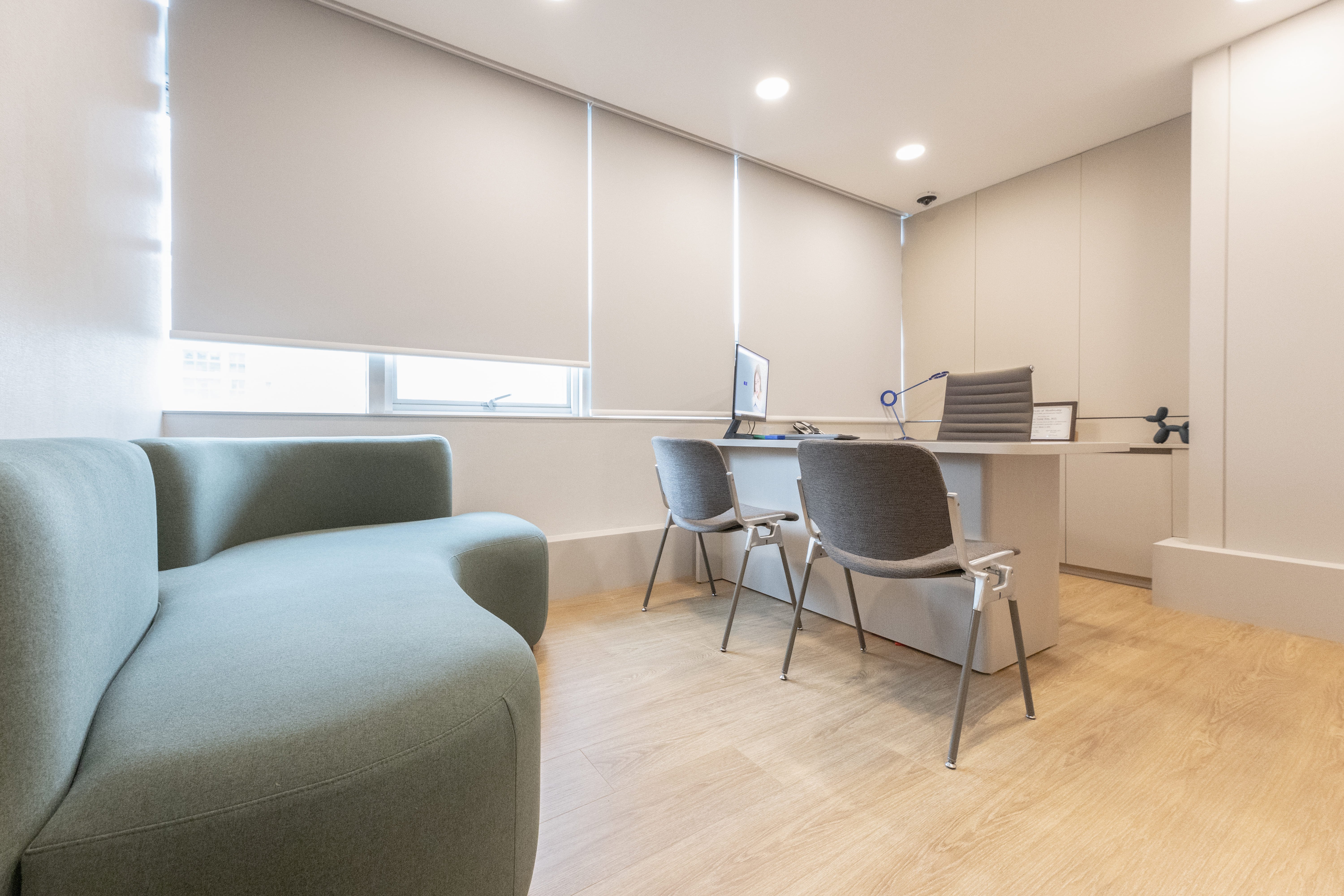
Personalized Plastic Surgery Clinic In Seoul: What to Look For
Choosing a plastic surgery clinic begins with understanding how a proposed treatment relates to your individual anatomy and goals. A useful consultation should cover what you would like to change, what surgery can reasonably address, and which technique the doctor recommends. It should also leave room for questions about risks, recovery, and follow-up. At Willbe Plastic Surgery, personalized planning includes an assessment of facial features and a discussion with the doctor. For eye surgery, the shape of each patient’s eyes informs the proposed double-eyelid line.
Start with the consultation
A consultation is an opportunity to explain your priorities in your own words. For example, you might want to discuss the shape of an eyelid crease, a concern about a previous operation, or a change in the appearance of the forehead. Be specific about what bothers you and what you hope to achieve, but remain open to the doctor’s assessment. A personalized recommendation should explain why a technique suits your anatomy, not simply name a procedure. Ask the doctor to describe the plan in language you understand.
At Willbe Plastic Surgery, the director conducts consultations and performs surgery. Dr. Kim Jun-young is a board-certified plastic surgeon with experience in eye plastic surgery. During an eye surgery consultation, discuss the proposed crease shape and how it relates to your existing eye shape. If you have had surgery before, explain what changed after the operation and which concerns remain. It is also useful to ask what a proposed procedure can and cannot address. Willbe Plastic Surgery offers consultation with an English-fluent doctor, which can help patients discuss details and ask follow-up questions. Before making a decision, make sure you understand the recommended approach, the possible risks, and any points that remain uncertain. A considered decision does not depend on agreeing to treatment during the first conversation.
A personalized consultation connects your goals with an assessment of your anatomy. Take time to understand the reasoning behind the proposed plan before deciding whether to proceed.
Discuss the result you are seeking
Descriptions such as “natural” or “defined” can mean different things to different people. Instead of relying on a single adjective, explain which features matter to you and whether you prefer a subtle or more noticeable change. For double-eyelid surgery, ask how the proposed crease relates to your existing eyelid shape. If you bring photographs, use them as a way to communicate your preferences rather than as a promise of a particular result. Individual anatomy influences what can be planned and achieved.
It is equally important to discuss the limits of a proposed procedure. Ask whether the doctor expects the approach to address your main concern and whether there are features it may not change. If you are considering more than one area, discuss each concern separately so you can understand the purpose of each proposed treatment. A useful plan should distinguish your preferences from the doctor’s assessment and explain where those points align. You can also ask how healing might affect the appearance of the area over time. Early swelling can make it difficult to judge the final appearance, and changes may take time depending on your individual condition. Write down the points you want to revisit so that you can make an informed decision without relying on memory alone.
Review credentials and communication
When comparing clinics, check who will consult with you and who will perform the operation. Ask about the doctor’s qualifications in plastic surgery and experience with the procedure you are considering. At Willbe Plastic Surgery, Dr. Kim Jun-young plans and performs eye surgery with attention to the patient’s individual eye shape. The opportunity to speak with the operating doctor is particularly useful when you have questions about technique, previous surgery, or the appearance you hope to achieve.
Communication should continue beyond the name of a procedure. Ask how the clinic approaches care before and after surgery, what information you will receive about recovery, and whom you should contact if you are concerned. Willbe Plastic Surgery provides care from the doctor before and after treatment. Understanding the plan for follow-up is part of researching surgery, not an afterthought. You should feel able to ask for clarification if a recommendation, risk, or instruction is unclear.
| Research topic | What to ask |
|---|---|
| Consultation | Who will assess my concerns and perform the operation? |
| Treatment plan | Why is this technique suitable for my anatomy and goals? |
| Previous surgery | How could my surgical history affect the proposed approach? |
| Recovery | What care and follow-up should I expect after treatment? |
Use these questions as a starting point rather than a scoring system. A thoughtful answer should be specific enough to help you understand your own situation. You can also ask the doctor to explain unfamiliar terminology and describe what happens during the proposed procedure. If you are comparing options, record the recommendations and the reasons given for them. Differences in plans can then become topics for further discussion, rather than leaving you to choose based on a procedure name alone.
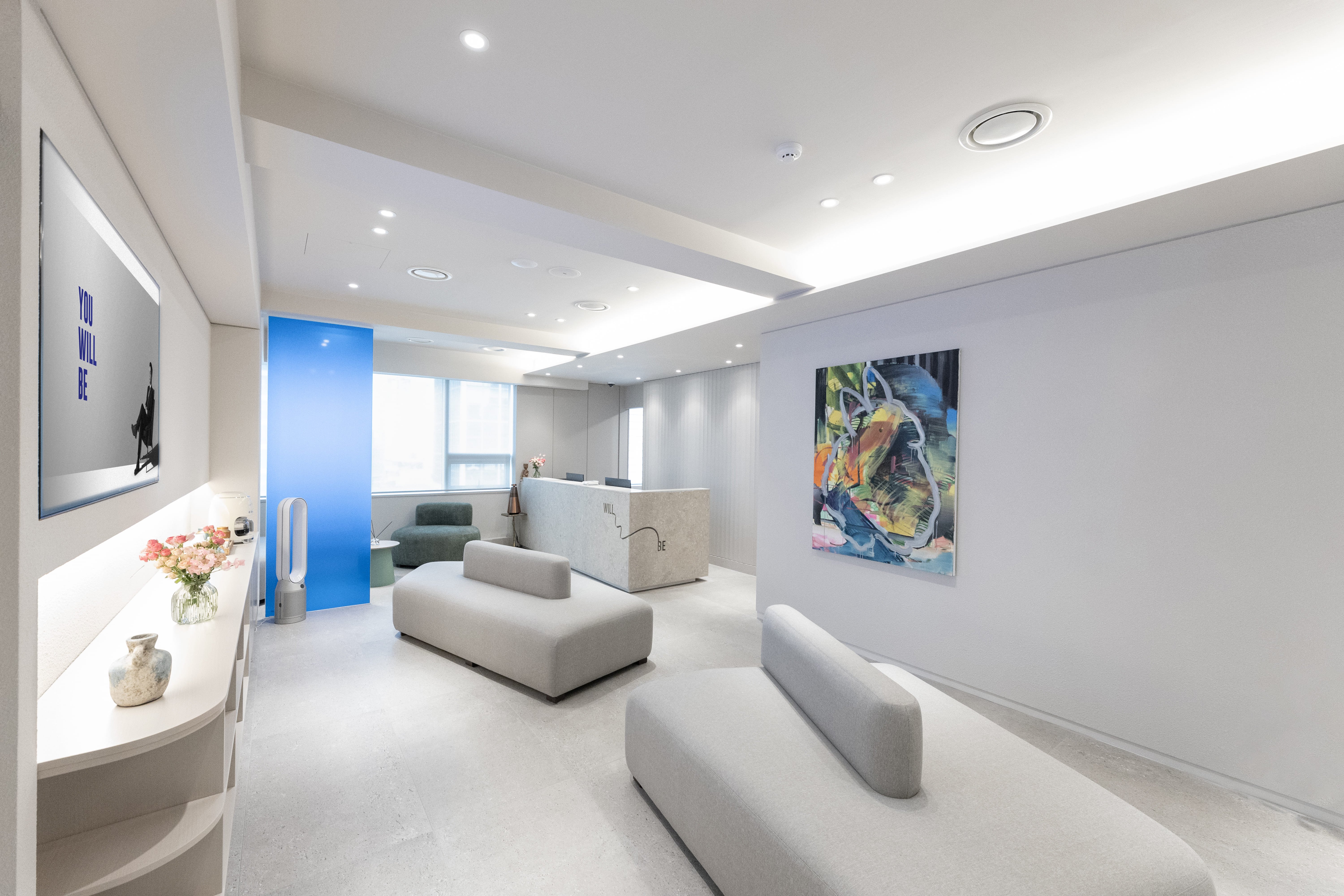
Personalized Plastic Surgery Clinic In Seoul: Eye Surgery Options
Eye surgery research often starts with a desired crease or a concern about a previous result. The next step is to understand how different approaches relate to eyelid anatomy. Willbe Plastic Surgery offers consultations for double-eyelid surgery and eye revision surgery. One technique offered at our clinic is natural adhesion double-eyelid surgery, which creates a crease using small openings and sutures rather than a conventional skin incision. Suitability depends on an individual assessment, so ask the doctor why a particular method is recommended for you.
Understand the natural adhesion technique
In the natural adhesion technique offered at Willbe Plastic Surgery, the doctor makes seven small openings and uses sutures to create adhesion between the skin and muscle, forming a double-eyelid crease. The sutures pass back and forth twice and are tied to secure the crease. The technique does not use a conventional skin incision, although it does involve small openings in the skin. Ask the doctor how this approach relates to your eyelid shape and what care is needed afterward.
When researching a procedure, distinguish the technique from an expected outcome. The way the sutures are placed is intended to secure the crease, but no method can promise that a crease will remain unchanged. Scarring and swelling can still occur, even when a procedure avoids a conventional skin incision. Ask how the doctor assesses your suitability, what the procedure involves, and what changes you might notice during healing. You can also discuss how the proposed crease would complement your eye shape and whether another approach should be considered. If you have questions about previous eye surgery, raise them before discussing a technique in detail: surgical history can affect the assessment. The aim of the consultation is to arrive at a plan that fits your circumstances, with a clear understanding of its limitations as well as its intended purpose.
Natural adhesion is one way to create a double-eyelid crease without a conventional skin incision. The important question is whether the technique fits your anatomy and goals after an individual assessment.
Considerations for revision surgery
Revision surgery is different from planning a first operation. Previous surgery can affect the tissue available for a further procedure, so understanding what was done before is an important part of the assessment. At Willbe Plastic Surgery, Dr. Kim Jun-young reviews the concerns associated with the previous operation when planning eye revision surgery. If you are considering revision, describe what you would like to change and bring any relevant records you have from the earlier procedure.
Be prepared to explain both the original concern and the reason you are now seeking another opinion. For example, you might want to discuss the appearance of the crease or a change you noticed during healing. The doctor can then assess the area and explain how your history may affect the options. Ask which concern the proposed revision is intended to address, what the procedure can realistically change, and whether any limitations arise from the condition of the tissue. It is also reasonable to ask how the recovery plan may differ from your previous experience. Revision planning should be based on the current condition of the eyelids, not solely on a photograph or a description of the first operation. If records are unavailable, tell the doctor what you remember about the earlier surgery and its timing.
Points to consider before treatment
All surgery involves risks, and eye surgery can involve swelling, bruising, scarring, asymmetry, or infection. The relevant risks and their significance depend on the procedure and your health. Ask the doctor to explain the risks associated with your proposed treatment, including how concerns would be assessed after surgery. Discuss any medical conditions, medicines, supplements, allergies, or previous reactions that could be relevant. Do not stop prescribed medication without advice from the clinician who manages it.
Recovery also deserves a practical discussion. Ask what instructions you should follow, when you should return for review, and which symptoms require prompt medical attention. The appearance of the eyelids can change as swelling settles, so an early appearance should not be treated as the final result. Changes may take time depending on individual condition. Before scheduling treatment, consider how you will manage work, travel, and support during recovery, and ask the doctor what is appropriate for your procedure.
If you are also considering a forehead lift or thread lifting, discuss the concern you want to address separately from your eye surgery questions. Willbe Plastic Surgery offers consultations about these treatments. Ask what each proposed procedure is intended to change, how it relates to your features, and what the associated risks and recovery involve. A clear explanation can help you decide whether to continue exploring a treatment or take more time to consider your options.
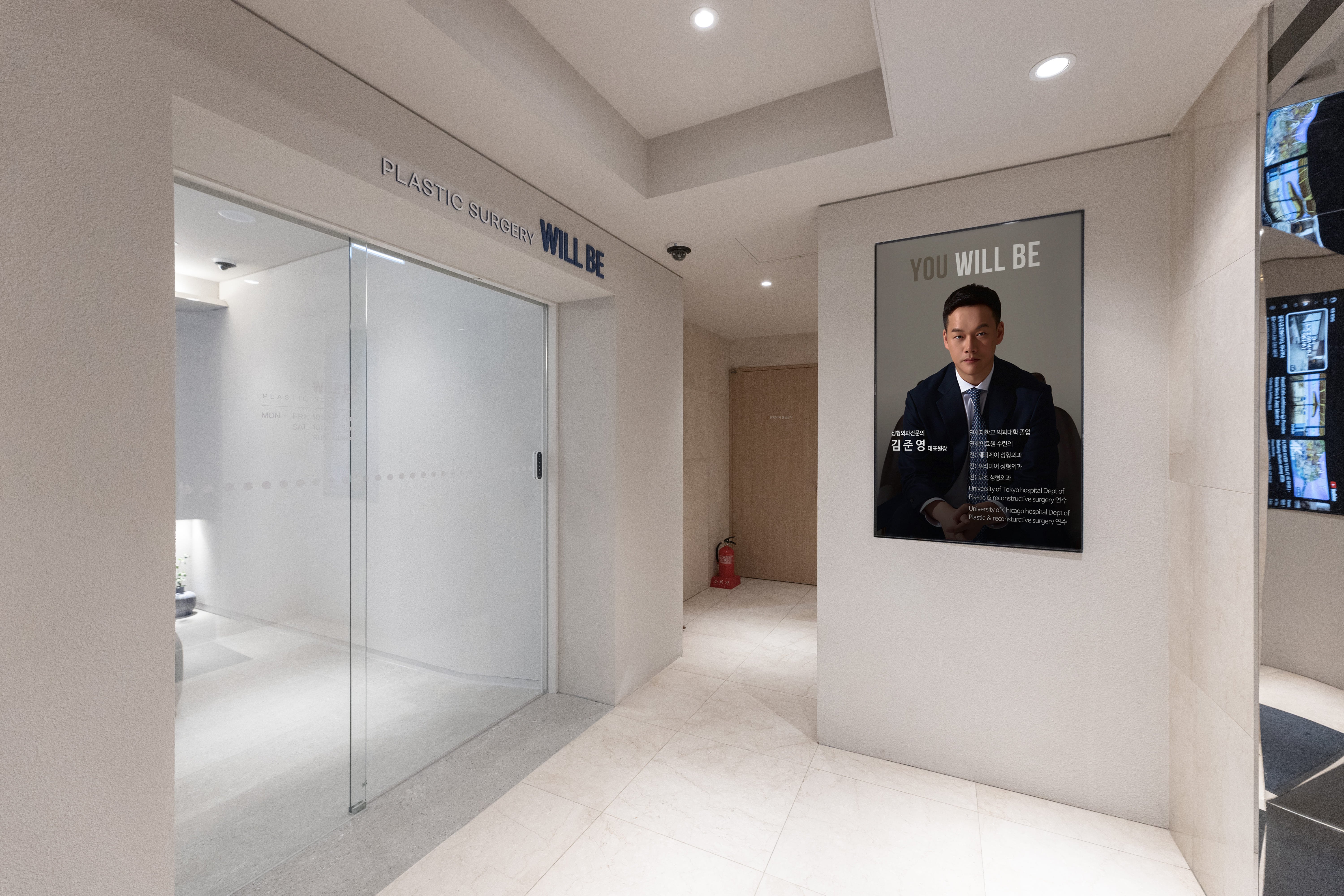
Personalized Plastic Surgery Clinic In Seoul: Planning Your Visit
A productive visit starts before you arrive. Gather your questions, note relevant health information, and think about the change you want to discuss. If you have undergone a previous procedure, any records you can access may help the doctor understand your history. You do not need to arrive with a chosen technique: the consultation is the place to discuss options. Ask about the complete treatment process, including preparation, surgery, recovery, and follow-up, before deciding whether to schedule a procedure.
Prepare your medical and surgical history
Write a concise account of previous operations, particularly procedures involving the area you want assessed. Include the approximate timing and any concerns you noticed afterward. If you have operative records or photographs that are relevant, bring them to the consultation. Also prepare a list of medicines and supplements you take, along with any known allergies and medical conditions. This information helps the doctor understand your circumstances and identify questions that may need further discussion.
It can be useful to separate facts from preferences in your notes. Under your medical history, record what you know about previous treatment and recovery. Under your goals, describe what you would like to change and any concerns about surgery. If you are unsure about the name of a past procedure, say so rather than guessing. The doctor can explain which details are important for the assessment. For revision eye surgery, ask how the condition of the tissue influences the proposed plan and whether additional information about the earlier operation would be useful. You may also want to bring a written list of questions about the procedure and aftercare. This makes it easier to return to topics that were not fully answered during the discussion and to compare your notes afterward.
Good preparation gives the doctor context and gives you a clearer basis for asking questions. Bring what you know, be candid about what you do not know, and discuss any previous surgery openly.
Ask about costs and practical arrangements
Before committing to treatment, ask for a clear explanation of the expected cost for your individual plan. Check what is included and whether any aspect of care could involve a separate charge. If more than one procedure is being considered, ask for each recommendation to be explained separately. This helps you understand the proposed care without assuming that a single quoted figure covers every aspect of treatment. Keep a record of the explanation for your own review.
Practical planning should also include the timing of the operation, follow-up visits, and your expected recovery needs. Ask when you would need to be available for post-operative care and how to contact the clinic if a concern arises after treatment. If you are visiting Seoul from elsewhere, discuss your travel plans with the doctor before arranging a procedure. You should understand whether your schedule allows for the recommended care and reviews. It is also sensible to ask what preparations are appropriate for the specific operation, rather than relying on instructions intended for someone else. At Willbe Plastic Surgery, an English-fluent doctor is available for consultation, allowing you to discuss the treatment plan and seek clarification on points that matter to you. Take time to review the answers before making arrangements.
Make your decision with clarity
After the consultation, revisit your original priorities. Does the proposed procedure address the concern you raised? Do you understand why the doctor suggested it, what the risks are, and what recovery may involve? If an answer is unclear, add it to a follow-up question list. A well-informed decision can include choosing not to proceed or deciding to wait while you consider the information. The purpose of research is to understand your options, not to rush toward a procedure.
Keep your expectations grounded in your own anatomy and the doctor’s assessment. Photographs and general descriptions can help you communicate, but they cannot establish how another person’s result would translate to you. Ask for a plain-language explanation of the intended changes and any relevant limitations. Consent is more meaningful when you understand both the proposed treatment and its alternatives, including the option of no surgery. Make sure you have the opportunity to discuss any remaining concerns before proceeding.
Willbe Plastic Surgery provides individualized consultation and surgical planning, with the director directly conducting consultations and operations. Whether you are considering a first eye procedure, revision surgery, or a lifting consultation, use the visit to understand the recommendation in context. Bring your questions, share your relevant history, and ask about care after treatment. Those steps will help you assess whether the proposed plan aligns with your needs and whether you have enough information to make your decision.




Frequently Asked Questions
Q.What does Willbe Plastic Surgery offer?
A.Willbe Plastic Surgery offers plastic surgery consultations and individualized treatment planning, including eye surgery and eye revision surgery. The director, Dr. Kim Jun-young, conducts consultations and performs surgery.
Q.Who might consider an eye surgery consultation?
A.A consultation may be useful if you want to discuss a double-eyelid crease or concerns about a previous eye operation. The doctor assesses your eye shape and discusses your goals.
Q.How is natural adhesion double-eyelid surgery performed?
A.The technique uses seven small openings and sutures to create adhesion between the skin and muscle, forming a double-eyelid crease without a conventional skin incision.
Q.What should I prepare before a consultation?
A.Bring your questions and relevant medical history. If you have had eye surgery before, bring any records you have and be ready to describe your concerns.
Q.Where is Willbe Plastic Surgery, and how can I contact the clinic?
A.Willbe Plastic Surgery is at 5F, Mihye Building, 590 Gangnam-daero, Gangnam-gu, Seoul, Republic of Korea. For consultation inquiries, call +82 2-517-7700.
Clinic Information
| Clinic | Willbe Plastic Surgery |
|---|---|
| Specialty | Plastic Surgery |
| Address | 5F, Mihye Building, 590 Gangnam-daero, Gangnam-gu, Seoul, Republic of Korea |
| Phone | +82 2-517-7700 |
| Website | https://www.willbeps.com/eng |
| Specialist | Specialist care |
 Willbe Plastic Surgery