

Gangnam Clinic Famous For Natural Looking Revision Eyelid Surgery: What to Assess
Revision eyelid surgery is considered when someone has concerns about the result of an earlier eyelid operation. Planning depends on the current eye shape, the changes made during the first surgery, and the tissue available for another procedure. At Willbe Plastic Surgery, plastic surgeon Dr. Kim Jun-young evaluates the previous surgery and the individual’s eye shape before planning treatment. A revision plan should be based on the person’s current anatomy and specific concerns, not on a standard crease design. Consultation is an opportunity to discuss what may be addressed and what the procedure involves.
Why revision planning differs from first-time surgery
A first eyelid operation and a revision do not begin with the same conditions. Earlier surgery may have changed or reduced the tissue available, so the medical staff must consider the existing structure rather than plan as if the eyelids were untreated. This makes a careful review of the previous procedure an important part of the assessment. The aim is to understand the current condition before discussing a suitable approach.
During planning, Dr. Kim Jun-young considers the concerns associated with the earlier result alongside the person’s eye shape. The clinic describes revision eyelid surgery as a complex procedure because it may be performed when tissue is insufficient after the first operation. That context matters: the next procedure is not simply a repeat of the first one. A clear discussion should cover the person’s goals, the condition of the eyelids, and the limits of what further surgery can address. Individualized planning helps keep expectations connected to the actual starting point.
Revision surgery needs a different kind of planning because the eyelids have already been operated on. The first step is to assess the current tissue and understand the concerns from the earlier procedure before considering a new plan.
Reviewing the earlier procedure and current concerns
Before deciding on revision, explain what concerns you about the previous result and when the earlier surgery took place. Details about the original procedure can help the medical staff understand what was changed. If you have records or photographs from before and after that surgery, bringing them may help guide the conversation. These materials do not replace an examination, but they can provide useful context for discussing your current eyelid condition.
Be specific about what you hope to change, such as the appearance of the crease or how the eyes look together. A preference for a more defined crease, for example, is different from a concern about whether the two sides look balanced. Dr. Kim Jun-young’s approach is described as assessing each person’s eye shape and planning a crease suited to that individual. The consultation should also clarify which concerns are appropriate to address surgically. Describe the outcome you want in practical terms rather than relying on a general label such as “natural.”
Setting realistic expectations for a new crease
People may use “natural-looking” to mean a crease that suits their facial features rather than appearing disconnected from them. A consultation can help translate that preference into a discussion of crease shape and the person’s existing eyelid anatomy. Since revision starts with the effects of a prior operation, the plan must also account for available tissue. Any proposed change should be discussed in relation to the eyelid’s present condition.
Clear communication is especially useful when expectations differ from what the current anatomy can support. Ask how the proposed approach relates to the concerns you have raised, what aspects of the prior result it addresses, and what may remain unchanged. Changes may take time depending on individual condition, and a specific result cannot be assumed in advance. Use the consultation to understand the reasoning behind the plan rather than treating a particular crease as guaranteed. This makes the decision more informed and keeps the focus on your own eye shape.
Revision surgery is a decision that benefits from a measured assessment. Take time to consider the explanation, ask questions about the plan, and be clear about which concerns matter most to you. At Willbe Plastic Surgery, the consultation is an opportunity to discuss the earlier operation and how the current eyelid condition may shape the next steps. A careful discussion supports an informed choice, even when the appropriate plan is not the change someone initially expected.
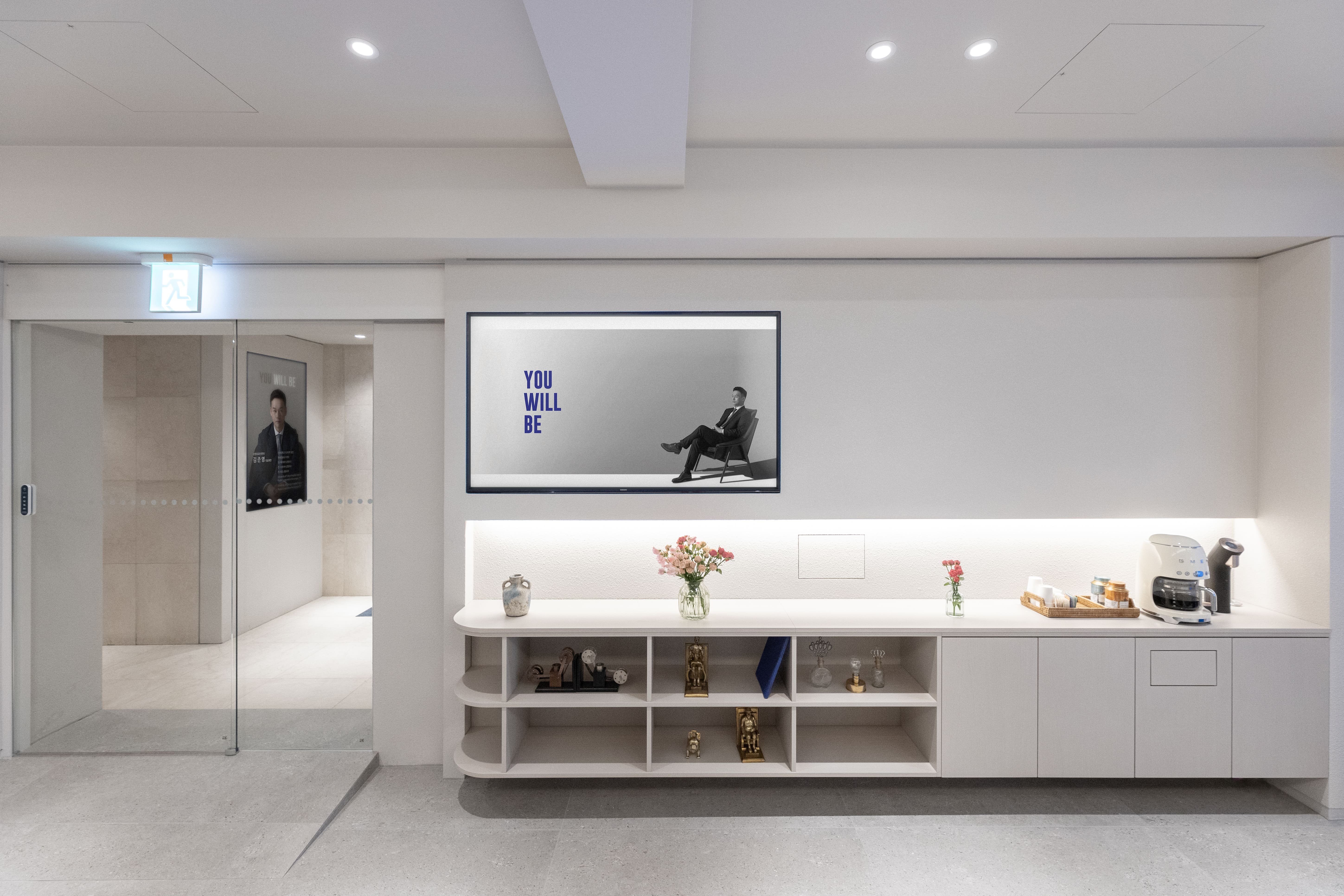
Gangnam Clinic Famous For Natural Looking Revision Eyelid Surgery: Consultation and Technique
At Willbe Plastic Surgery, consultation and treatment planning are centered on the individual’s eye shape and the history of prior surgery. Dr. Kim Jun-young is described as having extensive experience in eye plastic surgery and as responsible for performing the operation. The clinic also offers natural adhesion double eyelid surgery, a method that creates a crease without a skin incision. The specific method for revision should be determined after assessment, rather than assumed from the name of another eyelid procedure.
What to discuss during consultation
Use the consultation to explain the result of the earlier surgery that concerns you and what you would like to change. The medical staff can review your current eye shape and consider the history of the prior operation when discussing possible planning. It is also helpful to ask how the proposed approach relates to the tissue available and what the procedure is intended to address. Direct questions can make the discussion more useful and specific.
Dr. Kim Jun-young’s stated approach is to identify issues associated with the previous operation and plan with the individual’s eye shape in mind. You can ask what features of your current eyelids inform the recommendation, whether the plan involves a crease adjustment, and what expectations are reasonable. It is also important to discuss any relevant medical history and prior procedures. Sharing complete information helps the medical staff consider the situation more accurately. A consultation is not just a discussion of the desired appearance; it is also a chance to understand the condition of the eyelids and the considerations that may affect a revision.
A useful consultation connects your concerns about the first operation with the eyelids’ current condition. Ask how the proposed plan accounts for your eye shape and available tissue, and make sure you understand what the procedure is intended to address.
How natural adhesion double eyelid surgery works
Willbe Plastic Surgery describes natural adhesion double eyelid surgery as a method that creates a crease without making a skin incision. The technique uses seven small openings to encourage adhesion between the skin and muscle. The clinic also describes using a special suture, passed back and forth twice and tied firmly. These details refer to the natural adhesion method offered by the clinic; they should not be taken to mean that every revision procedure uses the same technique.
Whether this method is appropriate depends on an assessment of the individual eyelids and the purpose of treatment. Revision surgery begins with a prior procedure in the history, and tissue may be insufficient as a result. For that reason, the consultation should establish whether the natural adhesion approach fits the situation or whether another plan is being considered. The clinic describes this method as having less scarring and swelling and a lower chance of the crease loosening, but individual outcomes cannot be guaranteed. Ask the medical staff to explain which technique is being proposed for your case and why.
Understanding the proposed plan
Before proceeding, make sure you can explain the proposed plan in your own words. The discussion should connect the concerns from your previous surgery with the features of your current eyelids and the intended change. If a specific technique is recommended, ask how it addresses your goals and whether it is suitable given the tissue available. This helps distinguish a general description of a procedure from a recommendation based on your assessment.
It is reasonable to ask what the procedure may and may not change, how the plan accounts for the previous operation, and what follow-up guidance will be provided. The clinic’s description of natural adhesion surgery includes small openings and suturing, but the method for revision should be discussed individually. Avoid treating a technique name as a promise of a particular appearance. A well-understood plan gives you a clearer basis for deciding whether to proceed. If you still have unanswered questions after consultation, raise them before making a decision.
Good preparation for consultation is straightforward: bring details of your previous eyelid surgery, describe your concerns clearly, and think about the changes you hope to discuss. If you have photographs or records that help explain the earlier procedure, they can provide context. The most useful conversation is specific to your history and anatomy. Take note of the recommendation and the reasons for it, and ask for clarification whenever a term or proposed step is unclear.

Gangnam Clinic Famous For Natural Looking Revision Eyelid Surgery: Preparing for Care
Preparing for revision eyelid surgery starts with informed discussion, not with choosing a crease based on someone else’s result. Because a prior operation may affect the tissue available, the medical staff needs to understand your surgical history and current concerns. Willbe Plastic Surgery provides plastic surgery services, including eye revision procedures. Before deciding, make sure the plan, its purpose, and the considerations related to your previous surgery have been explained clearly.
Information to bring and questions to ask
Before consultation, write down the details you remember about your earlier eyelid procedure, including what was done and what concerns arose afterward. Bring any relevant records or photographs if available. Think through the specific features you would like to discuss, and note any health information or medications you believe the medical staff should know. Being prepared can help keep the conversation focused on your individual situation.
Useful questions include how the previous operation affects the current plan, what tissue considerations are relevant, and what the recommended procedure is intended to change. You may also ask how the proposed crease relates to your eye shape and what the medical staff expects during recovery. The purpose is not to secure a particular answer, but to understand the recommendation and its basis. If a point is unclear, ask for a plain-language explanation. Informed decisions are easier when you understand both the intended change and the limits of the plan.
Preparation means bringing an accurate history and being clear about your concerns. For revision, the prior operation and the tissue currently available are central to the discussion, so make sure you understand how they inform the recommendation.
Considering recovery and individual differences
Recovery and visible changes can differ from person to person. The clinic describes its natural adhesion method as involving less scarring and swelling, but this does not establish what any individual will experience, particularly when considering revision. Ask the medical staff what to expect for the procedure recommended in your case and what instructions apply to your recovery. Follow the guidance provided for your own treatment rather than relying on general assumptions.
It is also important to allow for individual variation when discussing the timing of changes. The eyelids have already undergone surgery, and the plan may be shaped by the condition of the tissue. Changes may take time depending on individual condition. Ask when follow-up is recommended and which concerns should be raised with the clinic during recovery. Keep expectations grounded in the procedure actually planned for you, not in another person’s experience or a generalized description of a technique. This practical discussion can help you prepare for care without assuming a particular timeline or outcome.
Making an informed decision
Revision surgery deserves a considered decision because it addresses eyelids that have already been operated on. Take time to understand the medical staff’s assessment and how the recommended approach responds to your concerns. If you feel uncertain, ask for further explanation before consenting. The decision should reflect your goals, the available tissue, and the specific plan discussed in consultation. No general description can replace an assessment of your individual eyelids.
Willbe Plastic Surgery is located at 5F, Mihye Building, 590 Gangnam-daero, Gangnam-gu, Seoul, Republic of Korea. For inquiries, call +82 2-517-7700. When contacting the clinic, explain that you are asking about revision eyelid surgery and ask how to arrange a consultation. Use that visit to discuss the prior operation, your current concerns, and the proposed treatment plan. Having those points ready can make the conversation more focused and help you decide on next steps.
A thoughtful decision does not require rushing toward another procedure. It means understanding the current condition, hearing how the previous surgery informs the plan, and considering whether the recommendation fits your goals. Ask questions until the explanation is clear, including what the technique involves and what limitations may apply. Then take the time you need to decide. The consultation should leave you with a clearer understanding of the proposed care, not an assumption that every revision can produce the same result.


Frequently Asked Questions
Q.What kind of clinic is Willbe Plastic Surgery?
A.Willbe Plastic Surgery is a plastic surgery clinic that offers eye procedures, including eyelid revision and natural adhesion double eyelid surgery. Dr. Kim Jun-young is responsible for performing the operation.
Q.Who might consider revision eyelid surgery?
A.People with concerns about the result of an earlier eyelid operation may discuss revision with the medical staff. Suitability depends on an assessment of the current eye shape, the prior procedure, and available tissue.
Q.What eyelid techniques does Willbe Plastic Surgery offer?
A.The clinic offers natural adhesion double eyelid surgery, which uses seven small openings and sutures to create a crease without a skin incision. The appropriate method for revision should be discussed individually.
Q.What should I prepare before a consultation?
A.Prepare details about your earlier eyelid surgery and a clear description of the changes you want to discuss. Relevant photographs or records may help explain your history.
Q.Where is Willbe Plastic Surgery, and how can I contact the clinic?
A.Willbe Plastic Surgery is at 5F, Mihye Building, 590 Gangnam-daero, Gangnam-gu, Seoul, Republic of Korea. Call +82 2-517-7700 for inquiries.
Clinic Information
| Clinic | Willbe Plastic Surgery |
|---|---|
| Specialty | Plastic Surgery |
| Address | 5F, Mihye Building, 590 Gangnam-daero, Gangnam-gu, Seoul, Republic of Korea |
| Phone | +82 2-517-7700 |
| Website | https://www.willbeps.com/eng |
| Specialist | Specialist care |
 Willbe Plastic Surgery